
Florida is known as the lightning capital of the United States — and that’s not just a nickname. According to the National Weather Service and data from the National Oceanic and Atmospheric Administration, Florida consistently leads the country in lightning strikes each year.
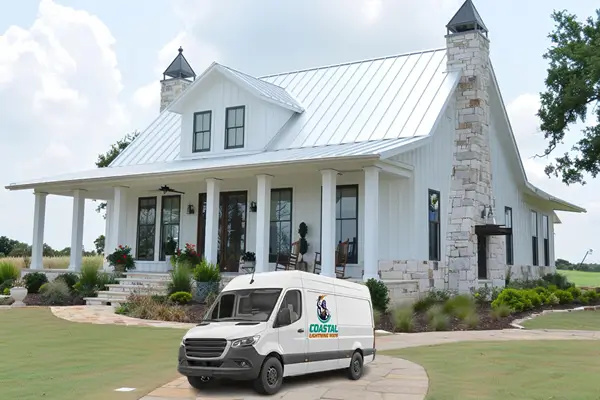
But here’s the real question:
Is your building in Florida a target for lightning?
If you own a home, commercial property, warehouse, church, school, or industrial facility in Florida, the answer may surprise you.
Why Florida Buildings Are at High Risk
Florida’s unique geography makes it especially vulnerable to lightning:
- Subtropical climate with frequent thunderstorms
- High humidity and sea breeze convergence
- Flat terrain with tall structures exposed
- Long storm seasons (especially May through September)
In many areas of Florida, lightning activity occurs almost daily during the summer months.
Even if your building has never been struck before, that doesn’t mean it isn’t at risk.
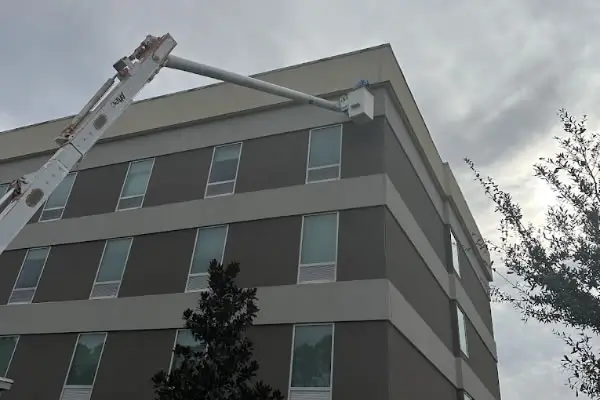
What Makes a Building a Lightning Target?
Lightning doesn’t randomly choose buildings — it follows physics. Certain characteristics increase the likelihood of a strike:
- Height & Elevation
Taller buildings, rooftops, steeples, antennas, and mechanical units are prime strike points.
- Location
Structures near open fields, waterfronts, golf courses, or higher terrain are more exposed.
- Metal Components
Metal roofs, HVAC units, rooftop solar panels, and exposed structural steel can attract or conduct lightning energy.
- Isolation
Standalone buildings (churches, warehouses, barns, beach properties) are at higher risk than structures surrounded by taller buildings.
What Happens When Lightning Strikes a Building?
A lightning strike can release up to 300 million volts of electricity in a fraction of a second.
Without a properly installed lightning protection system, this energy can:
- Cause fires inside walls or roofing systems
- Destroy electrical panels and equipment
- Damage HVAC systems
- Fry computers and data systems
- Shut down business operations
- Create dangerous side flashes inside the structure
Even nearby strikes (not direct hits) can send powerful electrical surges through utility lines and plumbing systems.
Lightning Rods vs. Surge Protectors — Why Both Matter
Many property owners assume surge protectors are enough.
They aren’t.
Surge protection only protects electrical systems from power spikes. A complete lightning protection system includes:
- Air terminals (lightning rods)
- Conductor cables
- Grounding electrodes
- Bonding to building metal systems
- Surge protection devices
Together, these components safely direct lightning energy into the ground — away from your structure.
Does Insurance Cover Lightning Damage?
Most insurance policies cover lightning damage, but claims often involve:
- Deductibles
- Business interruption losses
- Increased premiums
- Costly downtime
Installing a professionally engineered lightning protection system can significantly reduce risk and may qualify your property for insurance benefits.
Who Needs Lightning Protection in Florida?
In Florida, lightning protection is strongly recommended for:
- Homes and waterfront properties
- Commercial buildings
- Churches and schools
- Warehouses and distribution centers
- Manufacturing facilities
- Healthcare buildings
- Marinas and coastal properties
If your building is valuable, mission-critical, or houses sensitive equipment, lightning protection is a smart investment.
Florida Lightning Protection Standards
Professional lightning protection systems are installed according to standards developed by organizations such as:
- National Fire Protection Association (NFPA 780)
- Underwriters Laboratories (UL 96A)
These standards ensure systems are properly engineered, installed, grounded, and inspected.
How to Know If Your Building Is a Target
Ask yourself:
- Is my building one of the tallest in the area?
- Is it located near water or open land?
- Does it have rooftop equipment or metal features?
- Would lightning damage cause financial hardship or operational shutdown?
If you answered yes to any of these, your building is likely at risk.
Protect Your Florida Property Before Storm Season
Florida’s storm season brings daily lightning threats. Waiting until after a strike happens can mean:
- Structural repairs
- Electrical system replacement
- Business closure
- Safety hazards for occupants
Proactive lightning protection is always more affordable than reactive damage repair.
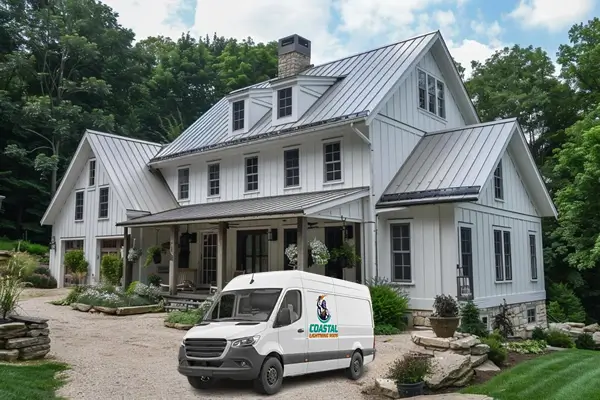
Coastal Lightning Protection – Serving Florida
At Coastal Lightning Protection, we specialize in professional lightning protection system design and installation throughout Florida.
Our services include:
- Residential lightning protection
- Commercial & industrial systems
- Grounding and bonding
- Surge protection integration
- System inspections and maintenance
We understand Florida’s unique storm environment and install systems built to meet strict safety and performance standards.
Schedule a Lightning Risk Evaluation
Don’t wait for a strike to find out your building was a target.
Contact Coastal Lightning Protection today to schedule a professional lightning risk evaluation and protect your property before the next storm rolls in.
Frequently Asked Questions
How common are lightning strikes in Florida?
Florida leads the nation in lightning strikes annually, particularly in central and coastal regions.
Can lightning strike the same building twice?
Yes. Lightning can and does strike the same structure multiple times.
Are lightning rods outdated?
No. Modern lightning protection systems are engineered systems that safely redirect energy to ground.
How much does lightning protection cost?
Costs vary based on building size, height, and complexity. A professional assessment is recommended.
Florida based lightning protection company Coastal Lightning Rods offers design, installation, test and maintenance of lightning and surge protection and earthing systems. We ensure you that our installation of a lightning protection system on your property will be of the highest standard. We provide lightning protection services throughout the state of Florida, entire South East, Gulf Coast and Atlantic Coast. We also provide lightning protection in Alabama, South Carolina, Louisiana, Florida, Mississippi, Tennessee and beyond.